
Understanding Sports Broadcasting
What is Sports Broadcasting?
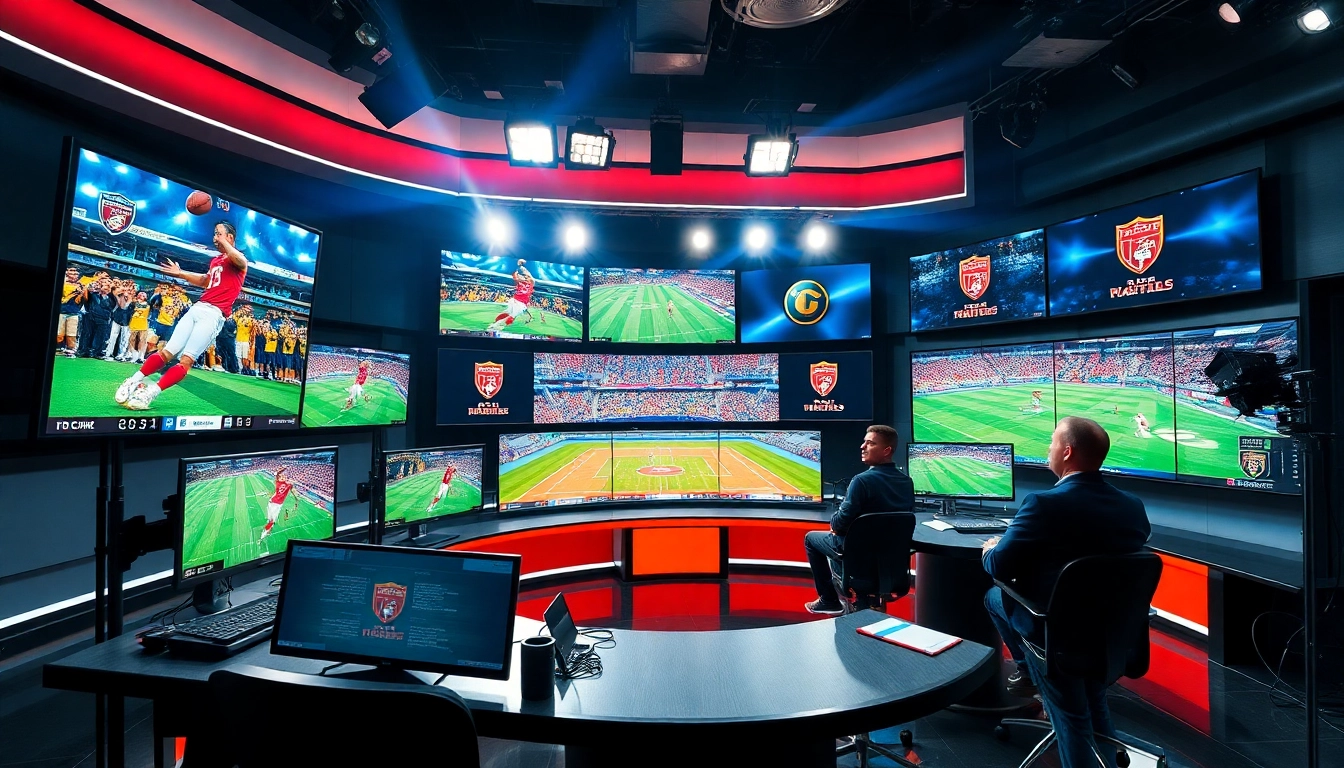
Sports broadcasting refers to the dissemination of live coverage or recorded segments of sports events to the public through various media channels, including television, radio, and online platforms. It not only delivers play-by-play commentary and expert analysis but also integrates entertainment elements, such as athlete interviews and behind-the-scenes footage. The goal is to create a comprehensive viewing experience that captures the excitement of live sports. The significance of Sports Broadcasting lies in its ability to connect fans with their favorite teams and athletes, fostering a strong community of sports enthusiasts.
The Evolution of Sports Broadcasting
The journey of sports broadcasting traces back to the early 20th century, with radio broadcasts initially emerging as the primary medium. As technology advanced, moving into the mid-century, television took over as the dominant force, transforming how audiences engaged with sports. Iconic broadcasts like the Super Bowl and the FIFA World Cup became global events, setting new standards for viewing experiences.
The digital age introduced a paradigm shift with online streaming services and social media platforms, providing fans immediate access to content anytime, anywhere. Innovations such as instant replay, augmented reality graphics, and interactive features further enhanced viewer engagement. In essence, sports broadcasting has grown from simple radio commentary to a multifaceted experience leveraging modern technology to meet evolving audience expectations.
Key Players in Sports Broadcasting
The sports broadcasting landscape features a variety of key players, each contributing uniquely to the ecosystem. These include:
- Networks and Channels: Major broadcasting networks allocate significant resources toward obtaining rights to air popular sporting events, such as the NCAA, MLB, and NFL.
- Streaming Platforms: Companies like Amazon Prime Video and ESPN+ are innovating the delivery of sports content, focusing on subscription-based services.
- Production Teams: Each broadcast relies on skilled production teams that handle everything from camera operation to audience engagement strategies.
- Sports Analysts and Commentators: These professionals provide commentary, breaking down plays in real-time, educating viewers, and adding personality to broadcasts.
Essential Skills for Sports Broadcasters
Communication and Presentation
Effective communication is the cornerstone of successful sports broadcasting. Broadcasters must convey information quickly and clearly, maintaining a mix of factual reporting and engaging storytelling. The ability to present information in an entertaining manner while adhering to the fast-paced nature of sports coverage is crucial. This necessitates vocal modulation, a strong delivery style, and the capability to improvise based on game dynamics.
Analyzing Sports Events
A skilled sports broadcaster must analyze game situations, statistics, and player performances. This analytical capability not only enhances the live commentary experience but also helps in preparing pre-game and post-game reports. Broadcasters should understand various sports' rules and strategies and effectively contextualize them for the audience. Using data-driven insights to support narratives adds depth to the broadcast.
Technical Proficiency in Equipment
Understanding the technical aspects of broadcasting is essential. Broadcasters should be familiar with camera setups, sound equipment, and switching technologies that are integral to live telecasts. Knowing how to operate broadcasting tools and troubleshoot technical glitches ensures smooth operation during crucial moments of coverage. Training in audio-visual technology is thus a vital part of a broadcaster's skill set.
Best Practices for Engaging Sports Audiences
Developing a Unique Broadcasting Style
A unique broadcasting style sets individuals apart in a competitive market. While it’s important to maintain professionalism, the integration of personal storytelling and authenticity can capture and retain an audience's attention. A broadcaster’s style may encompass humor, passion, or a distinctive analytical approach, resonating differently with diverse viewer segments.
Utilizing Social Media Effectively
Social media is an indispensable tool in modern sports broadcasting, facilitating real-time engagement with viewers. Broadcasters should actively use platforms like Twitter, Instagram, and TikTok to provide updates, behind-the-scenes content, and engage in conversations. Implementing interactive segments such as question-and-answer sessions or live polls can significantly enhance audience connections and engagement.
Building Viewer Trust and Loyalty
Trust is pivotal in maintaining a loyal viewer base. Broadcasters must strive for credibility by presenting honest and balanced coverage while avoiding sensationalism. Regularly involving viewers through feedback channels and making transparent corrections fosters a sense of community, encouraging return viewership and long-term loyalty.
Challenges in Sports Broadcasting
Dealing with Technical Issues
Technical difficulties are an unavoidable aspect of live sports broadcasting. Issues can arise from faulty equipment, poor internet connections, or unexpected failures in the transmission process. Broadcasters should prepare contingency plans, including backup technology and troubleshooting protocols, to manage these situations and minimize interruptions during live coverage.
Maintaining Audience Engagement
As the media landscape evolves, maintaining audience engagement becomes increasingly challenging. With a plethora of content available at viewers' fingertips, broadcasters must innovate constantly to capture interest. This includes integrating viewer-driven content, appealing visuals, and dynamic storytelling methods to keep broadcasts lively and relevant.
Navigating Legal and Ethical Considerations
Sports broadcasting is rife with legal and ethical challenges, including copyright infringements, defamation risks, and responsibilities surrounding sensitive topics. Broadcasters need to be well-versed in relevant laws and ethical standards. Upholding professional integrity while balancing entertainment value remains crucial, demanding constant vigilance and respect for all parties involved in the sports industry.
Future Trends in Sports Broadcasting
Impact of Technology on Broadcasting
Technology continues to shape the future of sports broadcasting significantly. Innovations such as virtual reality, 4K streaming, and advanced analytics tools promise to deliver increasingly immersive experiences. As these technologies become mainstream, broadcasters must adapt to maintain their competitive edge, focusing on enhancing viewer experience through seamless integration of cutting-edge advancements.
Emerging Platforms and Formats
The rise of streaming platforms has transformed the broadcast landscape. These platforms offer flexible viewing options and allow for diverse content formats, from traditional games to unique storytelling series. Broadcasters need to consider these emerging formats and adapt their strategies accordingly, ensuring they provide appealing content across various platforms to capture and retain audiences effectively.
Predictions for Viewer Experience
As technology and platforms evolve, the viewer experience is likely to become increasingly personalized. With data analytics, broadcasters can offer tailored content that aligns with individual viewers' preferences. Interactive features, gamification elements, and engagement opportunities will create a richer experience, leading to greater viewer satisfaction and extended viewing time during broadcasts.
FAQs About Sports Broadcasting
1. What career opportunities are available in sports broadcasting?
Careers in sports broadcasting include roles such as announcers, analysts, producers, and reporters, plus digital content creators and technical operators.
2. How has technology impacted sports broadcasting?
Technology has introduced high-definition streaming, multi-camera coverage, and real-time analysis, enhancing viewer engagement and experience significantly.
3. What makes effective sports commentary?
Effective commentary is informative and engaging, combining factual insights with narrativity while keeping pace with the live action of the game.
4. How can broadcasters build audience loyalty?
By providing credible content, engaging on social media, and offering interactive experiences, broadcasters can cultivate strong audience loyalty.
5. What are common ethical issues in sports broadcasting?
Common ethical issues include handling sensitive topics responsibly, avoiding bias, and ensuring fair representation of all involved parties.